.png)
How to Practice Fire Knife Without Using Real Fire

Fire knife performance is one of the most visually striking art forms in Polynesian culture. The spinning, the rhythm, the precision — it takes real skill to do it well. But if you're just starting out, or if you perform in venues where open flames simply aren't an option, practicing with real fire isn't always realistic.
The good news is that you don't need real fire to build genuine fire knife skill. In fact, most experienced performers will tell you that the fundamentals — grip, timing, coordination, and controlled spinning — are best developed without fire in the picture at all.
Here's how to practice fire knife effectively without using real fire.
Start With the Basics of Grip and Control
Before anything else, fire knife practice is about learning how the knife moves in your hands. A fire knife is a weighted, balanced tool, and understanding how it responds to different grips and movements is the foundation of everything else.
Start slow. Hold the knife by the handle and get comfortable with the weight and balance. Practice passing it from hand to hand, feeling where the center of gravity sits. You are not spinning yet — you are just learning to hold it confidently and move it deliberately.
Most beginners rush this stage and it slows them down later. Time spent here builds the muscle memory that makes everything else easier.
Practice Spinning Technique at Low Speed
Once you are comfortable with grip and basic movement, begin practicing slow controlled spins. The goal at this stage is not speed or style — it is consistency. Can you spin the knife in a clean arc and catch it cleanly every single time?
Work on one spin pattern until it feels automatic, then add another. Fire knife performance is built on combinations of moves that each need to be reliable on their own before they work together in a routine.
Practicing at low speed without fire also means you can do this virtually anywhere — indoors, in a small space, in front of a mirror. A mirror is actually one of the most useful tools a fire knife beginner can use because it lets you see exactly what your movements look like from an audience perspective.
Use a Practice Fire Knife or LED Alternative
One of the most effective tools for fire knife practice is a purpose-built practice knife — specifically one designed to replicate the feel and balance of a real fire knife without the open flame.
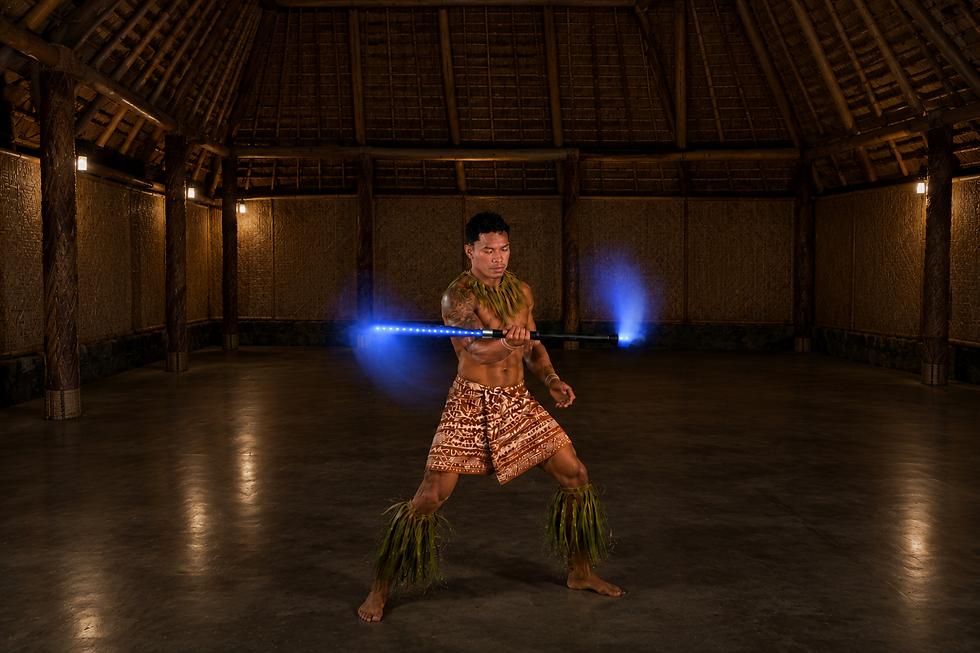
Sulu Vili LED fire knives have become increasingly popular for this exact reason. They match the weight, length, and bala
nce of a traditional fire knife and give you the visual feedback of movement through light without any of the risks associated with real fire. This makes them ideal for:
Indoor practice sessions
Beginner training at any skill level
Performing at venues, events, schools, or parks where open flames are not permitted
Building a full routine before ever introducing real fire
The visual element of an LED fire knife also makes practice sessions more engaging. Seeing the light trace your movements gives you immediate feedback on the quality and consistency of your spins in a way that a plain practice stick cannot.

Build a Consistent Practice Routine
Like any physical skill, fire knife performance improves with consistent repetition over time, not long infrequent sessions. Short focused practice sessions — even 15 to 20 minutes a day — will build coordination and muscle memory far more effectively than a two-hour session once a week.
Structure your sessions so you always warm up with slower foundational moves before working on anything more advanced. End each session by running through whatever combination or routine you are currently working on from start to finish, even if it is not perfect. Full run-throughs train your brain to connect moves together, which is what performance actually requires.
Know When You Are Ready for Real Fire
Practicing without fire is not just for beginners. Many experienced performers continue to use practice knives and LED alternatives for daily training and only bring out real fire for performances or specific rehearsals.
The general guideline most performers follow is that you should be able to run your full routine cleanly and consistently with a practice knife before attempting it with real fire. If a move breaks down under the pressure of a real performance setting, it is a sign it needs more practice time, not more fire.
When you do eventually transition to real fire, do so in a controlled outdoor environment with proper safety precautions, ideally with someone experienced present.
The Bottom Line
You do not need real fire to develop real fire knife skill. The fundamentals of the art — grip, balance, timing, coordination, and controlled spinning — are all built through repetition with a practice tool. Starting without fire actually gives you more time to focus on technique, more flexibility in where and when you practice, and a safer environment to make mistakes and improve.
If you are looking for a practice tool that matches the feel of a traditional fire knife and gives you the visual experience of performance without open flames, the Sulu Vili LED fire knife was built for exactly that. It is currently available at https://www.suluvili.com/product-page/sulu-vili-fire-knife


Comments